
The Great Divide in Communication
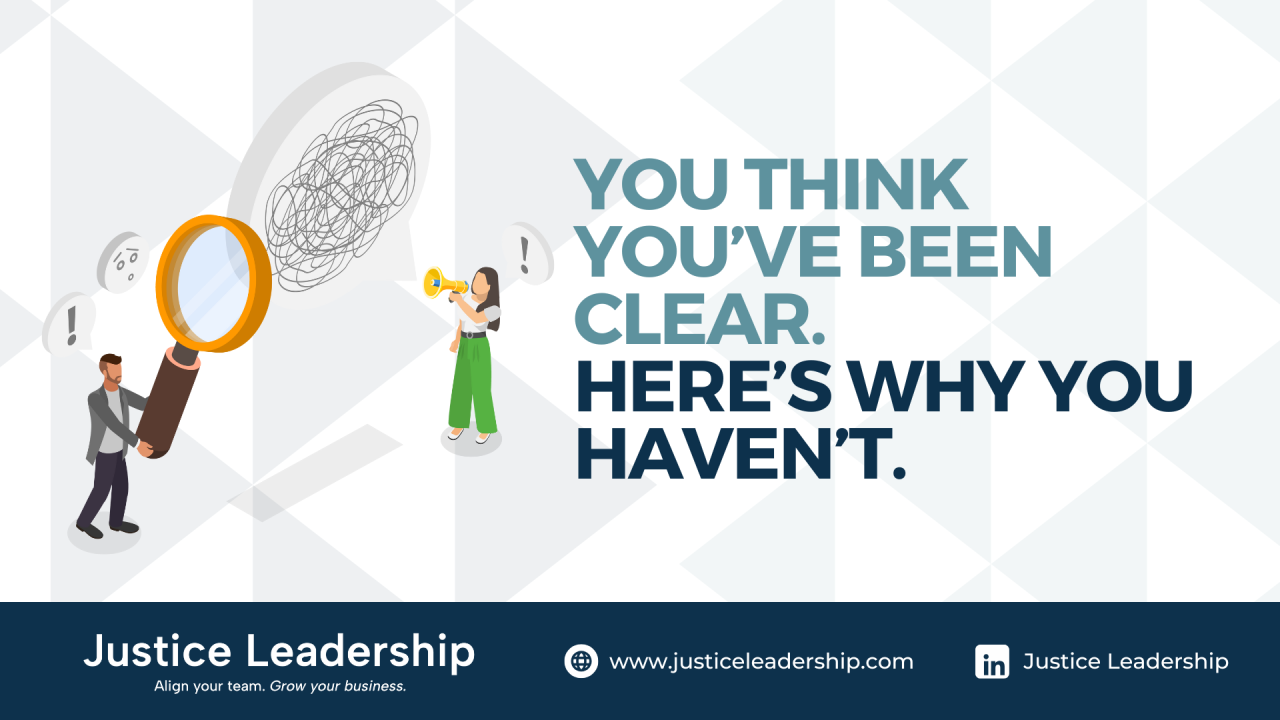
We assume we’ve communicated and that our audience has understood. The reality? That rarely happens.
The biggest gap in communication is the illusion that it has taken place.
Researchers tell us that when we rely only on text or email, our message has about a 7% chance of being received as we intended. The remaining 93% is interpreted through tone and body language things that don’t exist on the page.
We’re set up for miscommunication right from the start.
The Toast Test 🍞
When we do communicate, we speak from our own perspective.
Imagine you’re giving instructions for someone to make toast. A simple task, right?
You might say:
“Grab the bread, put it in the toaster, toast it until it’s the brown color you like, and enjoy with your favorite toppings.”
Clear? Not really.
You skipped important details:
What kind of bread?
Where does the bread come from?
How many slices?
What kind of toaster?
How do you define the “right” brown?
The most egregious assumption? You gave instructions based on your preferences, your habits, and your kitchen.
Yet we often assume our instructions are complete and crystal clear.
What Improves Communication?
Start checking your assumptions:
Is there something I’m assuming about the situation or the person?
Have I confirmed the tools, context, or experience they’re working from?
Check for understanding:
“What questions do you have?”
“How would you approach this?”
Ask open-ended questions to gather information and refine clarity.
When communication is clear, the recipient should be able to repeat back what you said without confusion.
The Hidden Cost of Unclear Direction
Most leadership challenges don’t begin with poor performance. They begin with unclear expectations.
Teams are busy. Leaders are decisive. Yet progress slows, priorities compete, and communication feels heavier than it should.
The problem usually isn’t effort. It’s clarity.
The 3-Question Clarity Check
Use this quick check to spot misalignment fast:
Can your team explain where you’re going in one sentence?
Do they know what matters most right now?
Would two leaders make the same call with the same information?
If the answers vary, clarity needs reinforcement.
➡️ Take the Next Step: Start With Awareness
Clarity gaps rarely announce themselves. They show up as friction, delays, and mixed priorities.
The FREE CALG Check-up Diagnostic helps you identify where clarity is breaking down across:
Vision
Goals
Messaging
Leadership alignment
Take the CALG Checkup Diagnostic. In just minutes, you’ll know exactly what needs attention, no guesswork, no cost, just clarity.